Whoa!
I was deep in my DeFi routine the other day, toggling networks and sighing. Something felt off about the way most browser-extension wallets handled multiple chains, especially when networks were added dynamically and signing prompts failed to reflect the active chain. At first I shrugged it off as normal friction—switching RPCs, juggling private-keys backups, and dealing with messy UI—but then a trade failed and I nearly lost a gas fee that I’d budgeted for months, which made me actually pause and rethink what I trusted. So I started hunting for a better approach that didn’t feel like a bandaid.
Hmm…
Okay, so check this out—browser-extension wallets have matured a lot lately. They now support multiple chains natively, offer granular permissions, and expose fewer surface attacks than before. Initially I thought that meant security parity with hardware wallets, but then I dug into signing flows, origin isolation, and how each wallet manages internal connectors and I saw subtle but material differences that change the risk profile for active traders. My instinct said “trust carefully” rather than “trust blindly”.
Whoa!
If you’re using a multi-chain extension, you deserve transparency about how it manages keys and RPCs. User interface choices matter; permission prompts should be clear and granular, because vague language leads users to accept transactions without truly understanding the consequences. On one hand some extensions try to be everything at once—fiat on-ramps, swap aggregators, wallet connectors—and on the other hand that breadth often introduces more moving parts, which actually increases attack surface rather than reducing risk when not carefully sandboxed. I’ll be honest, that broad approach often bugs me because of the complexity it hides.
Seriously?
So what should you look for in a browser extension wallet?
Look for isolated origins, explicit signing dialogs, and clear transaction breakdowns before approval. Also prefer deterministic key derivation with strong entropy sources and optional hardware integration, because when a wallet supports hardware locks the mental model shifts from ‘software-only trust’ to ‘software plus physically-held seed’ which is a meaningful security upgrade for high-value accounts. I noticed somethin’ felt off when the hardware option was missing during high-value ops.
Wow!
I’ve tried a half dozen extensions and one stuck out for me. It balanced UX with security and handled chain-switching smoothly. Initially I thought it was just good polish, but after stress-testing with contract calls and simulated sandwich attacks I realized the wallet’s transaction flow forced explicit user intent at every step, which reduced accidental approvals and nuisance gas errors—small wins that add up. I’m biased, but that difference matters when you’re managing multiple DeFi positions.
Here’s the thing.
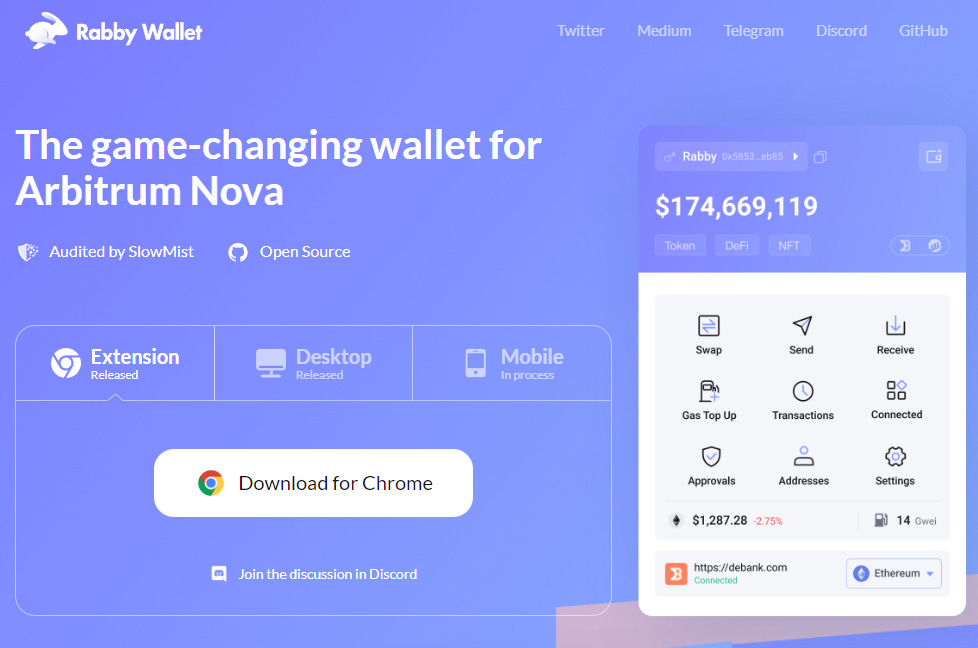
If you want to try it, consider testing a wallet that focuses on multi-chain hygiene. Rabby, for instance, aims to be that middle ground—supporting multiple EVM chains, offering clear per-site permissions, and integrating well with hardware wallets—so when I tested it I felt like the product’s design choices matched a security-first philosophy rather than just chasing features. Not flawless though; some of the deeper UI flows still feel a bit dense. On balance it’s a strong option for day-to-day DeFi activity, and I recommend pairing it with a hardware ledger or careful mnemonic management to keep exposure limited because attackers often rely on tiny UX confusions that you won’t notice until it’s too late.
Try it yourself
If you want a quick way to experiment with a security-conscious multi-chain extension, consider this rabby wallet download and test it with a small amount first—very very important to start small, and to rehearse rejects and approvals so you know what each prompt means.
(oh, and by the way…)
FAQ
Is a browser extension wallet safe enough for lots of funds?
It depends. For day-to-day DeFi activity an extension that enforces explicit signing, isolates origins, and supports hardware is a practical balance. For very large holdings keep the bulk in cold storage or a hardware-only wallet; use the extension for active trades and small positions. Initially I thought software-only was fine, but then realized mixing hardware improves the security model substantially.
What about chain switching risks?
Be cautious. Automated chain-switch prompts can be abused. Prefer wallets that clearly show the destination chain on the signing screen and require you to confirm intent. My gut feeling is that explicit confirmations save you from the most common UX-led mistakes.
Leave a Reply